
What Happens When You Stop Mounjaro or Wegovy? Dietitian’s Guide to Appetite, Weight Regain and Nutrition

Stopping Mounjaro or Wegovy can feel like taking the stabilisers off a bike. The medication may have quietened food noise, reduced hunger and helped portion sizes feel manageable. When it is stopped, appetite can return, fullness may fade faster, and old eating patterns can become easier to slip back into.
That does not mean weight regain is guaranteed, and it does not mean you have failed if your weight changes. It means the body is responding to the loss of a medicine that affects appetite, digestion and blood sugar regulation.
This guide explains what can happen after stopping GLP-1 based weight-loss medicines, why appetite often changes, and how to support your nutrition in a realistic way.
This article is for general information only. It does not replace medical advice. Always speak to your GP, prescribing clinician or dietitian before stopping or changing medication.
Why appetite changes after stopping Mounjaro or Wegovy
Mounjaro and Wegovy work in different but related ways.
Wegovy contains semaglutide, which mimics a hormone called GLP-1. Mounjaro contains tirzepatide, which acts on GLP-1 and GIP receptors. In simple terms, these medicines can:
Reduce appetite
Increase feelings of fullness
Slow how quickly the stomach empties
Reduce cravings or “food noise”
Support blood glucose control
When you stop taking them, those effects begin to wear off. The timeline varies from person to person, based on dose, length of treatment, metabolism and wider health factors.
Some people notice appetite returning within a few weeks. Others experience a slower shift. Hunger may not come back all at once. It can appear as larger portions creeping in, more snacking, feeling less satisfied after meals, or thinking about food more often.
This can feel unsettling, especially if the medicine made eating feel easier for the first time in years.
A useful way to think about it is this: the medication did not remove your body’s appetite system. It turned the volume down. When the medication stops, the volume may rise again.
Why weight regain can happen
Weight regain after stopping Mounjaro or Wegovy is common, but the amount varies. Research on GLP-1 medicines suggests many people regain some weight after stopping, particularly if there is no long-term support plan in place.
This is not simply about willpower.
When weight drops, the body can respond by defending its previous weight. This may include:
Increased hunger signals
Lower energy expenditure
Stronger cravings
Reduced fullness after eating
A pull towards higher-energy foods
This response is sometimes called metabolic adaptation. It is one reason weight maintenance can feel harder than weight loss.
The medication may also have made it easier to maintain a calorie deficit without feeling deprived. Once appetite returns, the same meals may no longer feel as filling. Portions that worked during treatment may feel too small afterwards.
Weight regain is not a moral issue. It is a biological and behavioural challenge that needs planning, support and flexibility.
Do you need to taper off the medication?
Some people stop suddenly because of side effects, cost, supply issues, pregnancy planning or a change in medical advice. Others reduce gradually under clinical supervision.
There is no single best route for everyone. The right approach depends on your medical history, the medication, your dose and why you are stopping.
Speak to your prescriber before making changes, especially if you have diabetes, take medicines that affect blood sugar, have had significant side effects, or are stopping because of pregnancy plans.
A planned stop gives you time to prepare. That preparation should include food, movement, sleep, emotional support and a plan for follow-up.

How to eat when your appetite comes back
A good post-medication nutrition plan should not be extreme. Very restrictive diets often backfire when hunger increases. The aim is to build meals that are filling, regular and satisfying.
Prioritise protein at each meal
Protein helps with fullness and protects lean muscle, especially after weight loss. It does not need to mean large portions of meat.
Good options include:
Eggs
Greek yoghurt or skyr
Chicken, turkey or lean meats
Fish and seafood
Tofu, tempeh or edamame
Lentils, beans and chickpeas
Cottage cheese
Protein-fortified foods, if useful
As a rough guide, aim to include a clear protein source at breakfast, lunch and dinner. Many people under-eat protein at breakfast, then feel hungrier later in the day.
Add fibre without overdoing it
Fibre slows digestion and helps meals feel more satisfying. It also supports gut health and cholesterol levels.
Try building meals around:
Vegetables
Fruit
Beans and lentils
Oats
Wholegrain bread
Brown rice
Wholewheat pasta
Potatoes with the skin on
Nuts and seeds
If your fibre intake has been low, increase it gradually. A sudden jump can cause bloating, wind or discomfort.
Use carbohydrates wisely, not fearfully
Carbohydrates are often blamed for weight regain, but cutting them out can make meals less satisfying. The type, portion and pairing matter.
A bowl of plain pasta may not keep you full for long. Pasta with tuna, vegetables and olive oil is a different meal. Toast alone may leave you hungry. Toast with eggs or peanut butter is more balanced.
Choose carbohydrates that you enjoy and pair them with protein, fibre and healthy fats.
Include fats that add satisfaction
Fat slows digestion and helps food taste good. That matters when appetite is rising and meals need to feel satisfying.
Useful choices include:
Olive oil
Avocado
Nuts
Seeds
Oily fish
Nut butters
Full-fat dairy in sensible portions, if preferred
Low-fat meals can look “healthy” but leave you grazing all afternoon.
What a steady eating pattern can look like
When appetite is unpredictable, regular meals can help. Skipping meals to “make up” for eating more often leads to stronger hunger later.
A simple day might look like this:
Meal | Example |
Breakfast | Greek yoghurt with oats, berries and seeds |
Lunch | Chicken, chickpea or tofu salad with wholegrain pitta |
Snack | Apple with peanut butter, or cottage cheese with crackers |
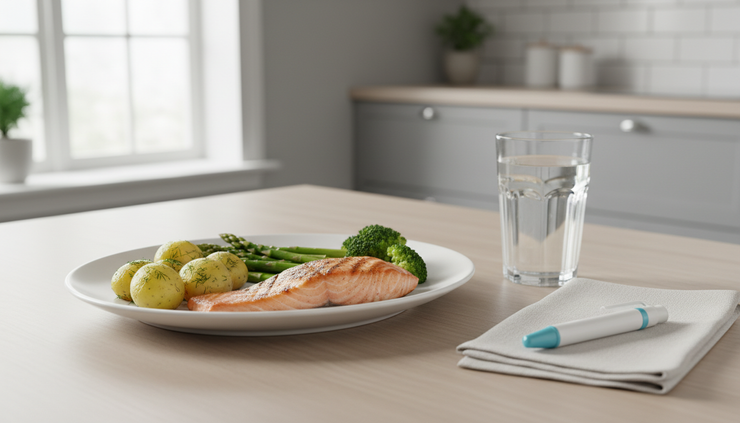
Dinner | Salmon, potatoes and vegetables, or lentil chilli with rice |
Evening option | Herbal tea and a planned snack if genuinely hungry |
This is not a rulebook. It is a structure. The details can change based on culture, budget, appetite, work patterns and preferences.
The key is to avoid drifting into reactive eating, where food choices are made only once hunger feels urgent.
How to manage food noise when it returns
Food noise means frequent, intrusive thoughts about food. Some people describe it as constant planning, bargaining or worry around eating.
If food noise returns after stopping medication, start with curiosity rather than blame.
Ask:
Am I eating enough during the day?
Are my meals too low in protein or fibre?
Am I sleeping poorly?
Am I using food to manage stress?
Have I made my food rules too strict?
Am I weighing myself in a way that fuels anxiety?
Sometimes food noise is not a sign that you need more discipline. It can be a sign that your body does not feel fed, rested or safe.
Practical steps can help:
Plan three satisfying meals before planning snacks
Keep easy protein options at home
Avoid long gaps between meals
Plate food instead of grazing from packets
Include favourite foods in a planned way
Get support if eating feels obsessive or distressing
If food thoughts feel overwhelming, or if you notice bingeing, purging, severe restriction or panic around eating, seek help from a healthcare professional with experience in disordered eating.

Movement matters, but not as punishment
After stopping Mounjaro or Wegovy, movement can support weight maintenance, blood sugar control, mood and muscle retention.
The goal is not to burn off food. That mindset often leads to guilt and inconsistency.
A balanced routine might include:
Brisk walking
Cycling
Swimming
Strength training
Pilates or yoga
Gardening
Active commuting
Strength training is especially useful after weight loss. It helps preserve muscle, which supports function and metabolic health. This does not require a gym. Bodyweight exercises, resistance bands or light dumbbells can work well.
Start from where you are. Ten minutes counts if it is more than you were doing before.
What to do if your weight starts to increase
A small increase after stopping is not automatically a problem. Weight naturally fluctuates with fluid, digestion, hormones, salt intake, travel and stress.
Look for patterns rather than reacting to one weigh-in.
If weight is rising steadily and you feel concerned, review the basics before making drastic changes.
Check meal size and meal balance
Are meals still built around protein, fibre and satisfying portions? Or have snacks replaced meals?
Look at liquid calories
Alcohol, sugary drinks, juices and large milky coffees can add energy without much fullness. You do not need to ban them, but they are worth noticing.
Watch the “healthy grazing” trap
Nuts, granola, smoothies, protein bars and dried fruit can all fit into a healthy diet. But they are easy to overeat, especially when hunger returns.
Review sleep and stress
Poor sleep can increase hunger and cravings. Stress can drive comfort eating or chaotic meal timing. Weight maintenance is harder when the nervous system is constantly under strain.
Get support early
Do not wait until regain feels unmanageable. A dietitian, GP or prescribing clinician can help you review options. For some people, restarting medication or trying another treatment may be discussed. For others, nutrition and behavioural support may be enough.
A realistic maintenance plate
A simple plate method can help when tracking feels too much.
For many meals, aim for:
Half a plate of vegetables or salad
A quarter plate of protein
A quarter plate of starchy carbohydrate
A small amount of fat for flavour and satisfaction
Examples include:
Omelette with salad and wholegrain toast
Chicken curry with rice and vegetables
Tofu stir-fry with noodles
Jacket potato with tuna, beans or cottage cheese and salad
Lentil bolognese with pasta and extra vegetables
Porridge with yoghurt, berries and nut butter
This method is flexible. Some meals will not fit the plate model neatly, such as soups, stews, sandwiches or mixed dishes. That is fine. The principle still applies: include protein, fibre-rich plants, satisfying carbohydrates and enough fat to make the meal enjoyable.
Watch for under-eating after stopping
A common mistake is trying to keep eating the same tiny portions that felt fine on medication. Once appetite returns, this can trigger a restrict-and-rebound cycle.
You may eat very little through the day, then feel out of control in the evening. This is not a character flaw. It is often delayed hunger.
Signs you may be under-eating include:
Feeling cold, tired or irritable
Constant thoughts about food
Frequent evening overeating
Poor concentration
Strong cravings
Waking hungry at night
Struggling to exercise
Eating enough earlier in the day can feel uncomfortable if you are worried about regain, but it often improves control later.
When to seek medical advice
Speak to a healthcare professional if you experience:
Rapid weight regain that worries you
Persistent nausea, vomiting or digestive symptoms
Blood sugar changes, especially if you have diabetes
Return of high blood pressure or other health concerns
Symptoms of low mood, anxiety or disordered eating
Uncertainty about whether to restart or stop medication
If you stopped because of side effects, your clinician may discuss dose changes, timing, alternative treatments or other causes of symptoms.

The takeaway
Stopping Mounjaro or Wegovy often brings appetite back, and some weight regain can happen. That does not mean the treatment “didn’t work” or that you have lost control. It means your body is adjusting to a different appetite environment.
The best plan is not a crash diet. It is a steady routine built around protein, fibre, regular meals, enjoyable movement, enough sleep and early support if weight or food thoughts start to feel difficult.
A helpful question to ask is not “How do I eat as little as possible?” It is “What pattern of eating can I keep doing when my appetite is louder?”
That is where long-term maintenance becomes more realistic.



Comments