
What nobody tells you about nutrition on Mounjaro and Wegovy

Updated: Jun 8
GLP-1 medications such as Mounjaro (tirzepatide) and Wegovy (semaglutide) have transformed the landscape of weight management.
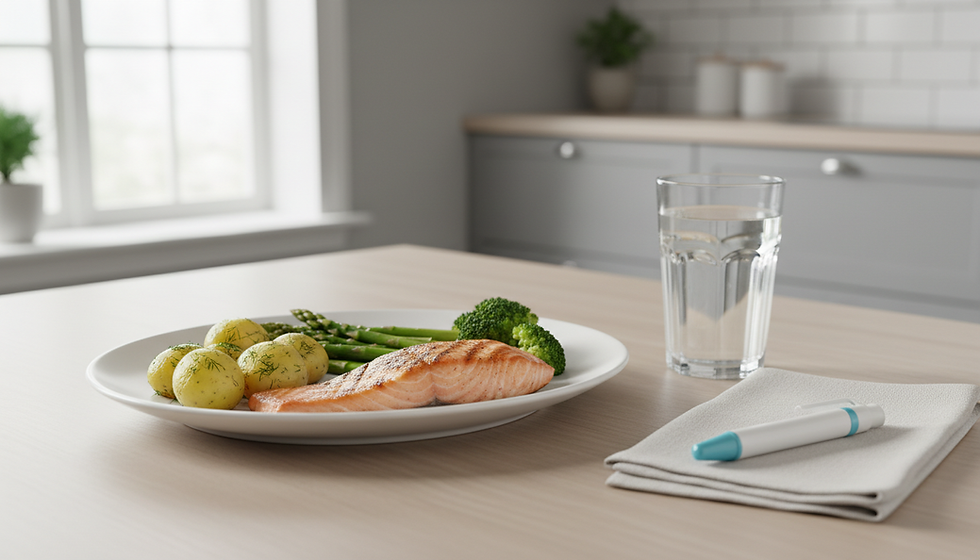
Most of the conversation focuses on one thing: weight loss. But as a dietitian, that is often not the thing I am most interested in. I'm thinking about protein intake, muscle mass, nutritional adequacy, digestive symptoms and long-term health.
Whilst these medications can be highly effective, eating substantially less food can have nutritional consequences that are often overlooked.
How do GLP-1 medications work?
GLP-1 (glucagon-like peptide-1) is a naturally occurring hormone released by the gut in response to eating.
GLP-1 medications mimic the effects of this hormone. They work through several mechanisms, including:
• Increasing feelings of fullness (satiety)
• Reducing hunger and food cravings
• Slowing gastric emptying (the rate at which food leaves the stomach)
• Influencing appetite regulation within the brain
For many people, this leads to a significant reduction in food intake. This is often exactly what makes these medications effective. However, eating less food also means there is less opportunity to obtain sufficient protein, fibre, vitamins and minerals.
Weight loss is not always just fat loss
One of the most important nutrition considerations during weight loss is body composition. When weight is lost, people do not lose body fat alone. Weight loss typically includes a combination of:
• Fat mass
• Body water
• Lean tissue, including muscle mass
Muscle plays a crucial role in strength, mobility, physical function and healthy ageing. It is particularly important for adults approaching midlife and beyond. This is one reason protein intake and resistance exercise remain important whilst taking GLP-1 medications.
Protein intake becomes increasingly important
Many people taking GLP-1 medications report: "I just don't feel hungry."
Whilst this can be helpful for weight loss, it can make it difficult to consume enough protein. Protein supports:
• Muscle maintenance
• Recovery
• Immune function
• Satiety
• Healthy ageing
When appetite is reduced, it can be helpful to prioritise protein-rich foods at meals and snacks rather than leaving protein intake to chance.
Digestive symptoms are common
As a gut health dietitian, this is one of the areas I discuss most frequently.
Common symptoms include:
Constipation
One of the most frequently reported side effects. This may be influenced by reduced food intake, lower fibre intake, changes in fluid intake and altered gastrointestinal motility.
Nausea
A common reason people struggle to eat enough.
Early fullness
Some people describe feeling full after only a few mouthfuls of food. Whilst expected, this can make meeting nutritional requirements more challenging.
Vomiting
For some individuals, gastrointestinal side effects can become significant and should be discussed with the prescribing team.
Fibre still matters
One concern I frequently see is that fibre intake unintentionally falls. When people eat less food overall, they often consume:
• Less fruit
• Less vegetables
• Fewer wholegrains
• Fewer pulses
This can contribute to constipation and may reduce intake of nutrients that support gut health. Whilst protein often becomes the primary focus, fibre should not be forgotten.
What about vitamins and minerals?
Eating less food does not reduce the body's requirement for vitamins and minerals. For some people, particularly those experiencing very low appetite or significant dietary restriction, nutritional adequacy may become a concern. This does not mean everyone requires supplements. However, it does highlight the importance of maintaining diet quality even when food intake is reduced.
What happens when the medication stops?
One of the most common concerns I hear is: "What happens when I stop?"
Many people worry that appetite will return and weight regain will be inevitable.
Appetite regulation often changes once medication is discontinued. This is why developing sustainable eating habits, maintaining muscle mass and building confidence around food remain important throughout treatment, not just afterwards.
The bottom line
GLP-1 medications can be highly effective tools for weight management. However, successful treatment is about more than the number on the scales. Nutrition still matters. Protein, fibre, muscle mass, digestive health and nutritional adequacy all deserve consideration alongside weight loss.
If you are taking a GLP-1 medication and would like personalised support with protein intake, digestive symptoms, nutritional adequacy or maintaining your health during weight loss, working with a registered dietitian may help.

Comments